ABOUT ALIKA
I’ve spent much of my life trying to understand why we stop believing in each other.
My work has taken me from operating rooms and Indigenous communities to some of the most difficult conversations in Canadian healthcare.
Again and again, I found myself asking the same questions: What makes people believe change is possible? What happens when that belief is broken? And what does it take to find our way back?
Eventually, those questions became personal.
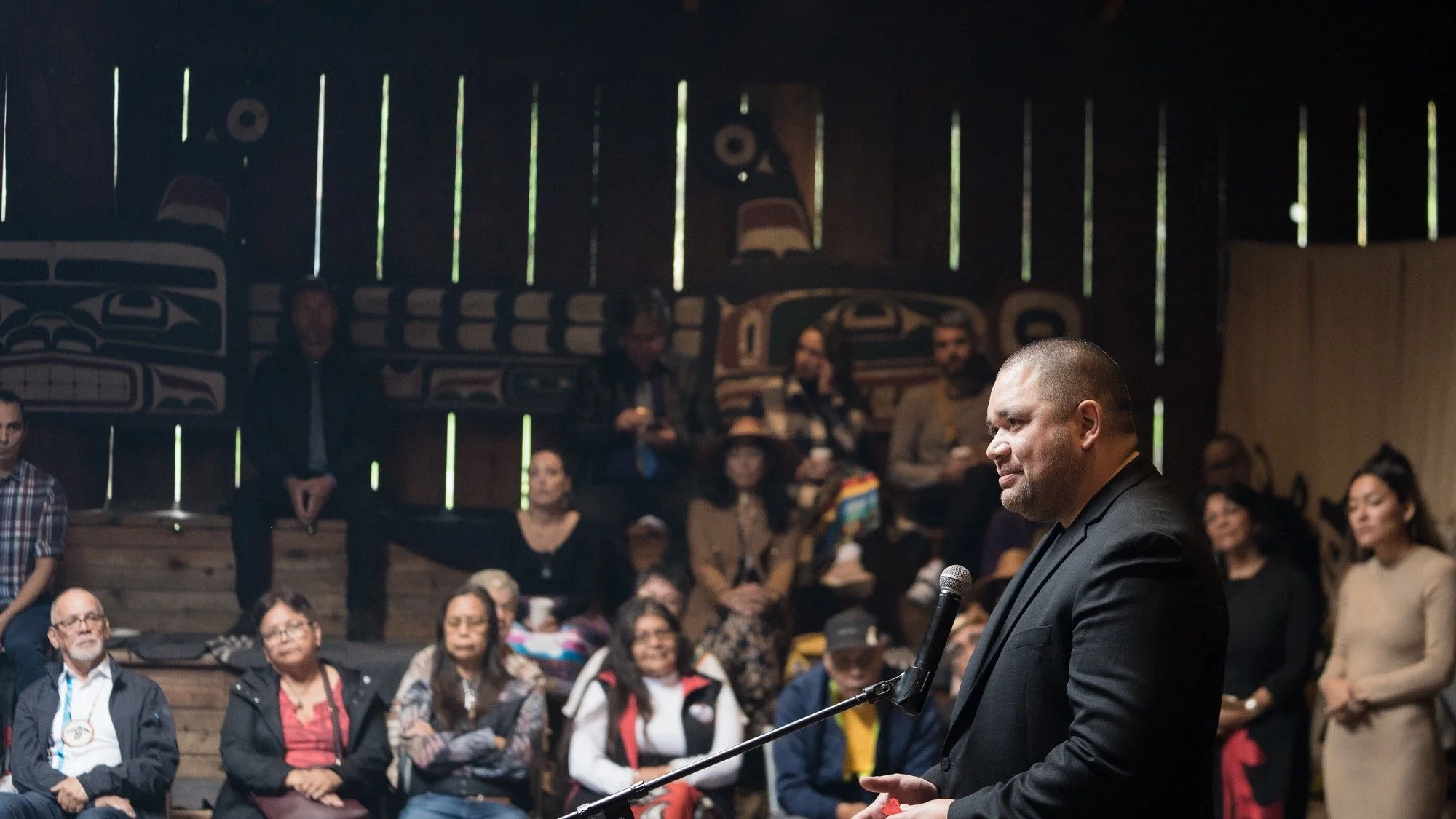
WHEN TRUST BREAKS EARLY
I grew up believing the adults around me were like my parents. They saw my potential. Were invested in my success.
As a child, I had difficulty speaking and struggled with the way I was being taught. I was labelled developmentally delayed, and my parents were told not to expect much from my education.
I didn't understand much of what was happening at the time. But even as a child, I felt the people who were supposed to know how to help me had already decided I couldn't be helped.
My parents had other ideas.
They pulled me out of school, taught me at home, and protected something I wouldn't have known needed protecting: the belief that I could be more than the expectations of the school system.
I began to thrive, graduated early, and went on to university and medicine. But that isn't the part of the story that stayed with me.
What stayed with me is what happens when someone still believes in you after your own belief has been shaken.
A SERIES OF NEAR-MISSES
To the outside world I was a role model. But the reality is that I’ve had a series of near-misses.
Moments when I struggled, lost confidence, questioned whether I belonged, or came close to choosing a different path.
Calls for help that were answered.
Sometimes by my parents. Sometimes by a teacher, mentor, colleague, friend or someone who simply noticed what was happening and chose to respond.
They didn't solve everything for me. But at important moments, someone gave me a reason to keep believing that things could be different.
Eventually, I found myself on the other side of those conversations.
FINDING MY ROLE
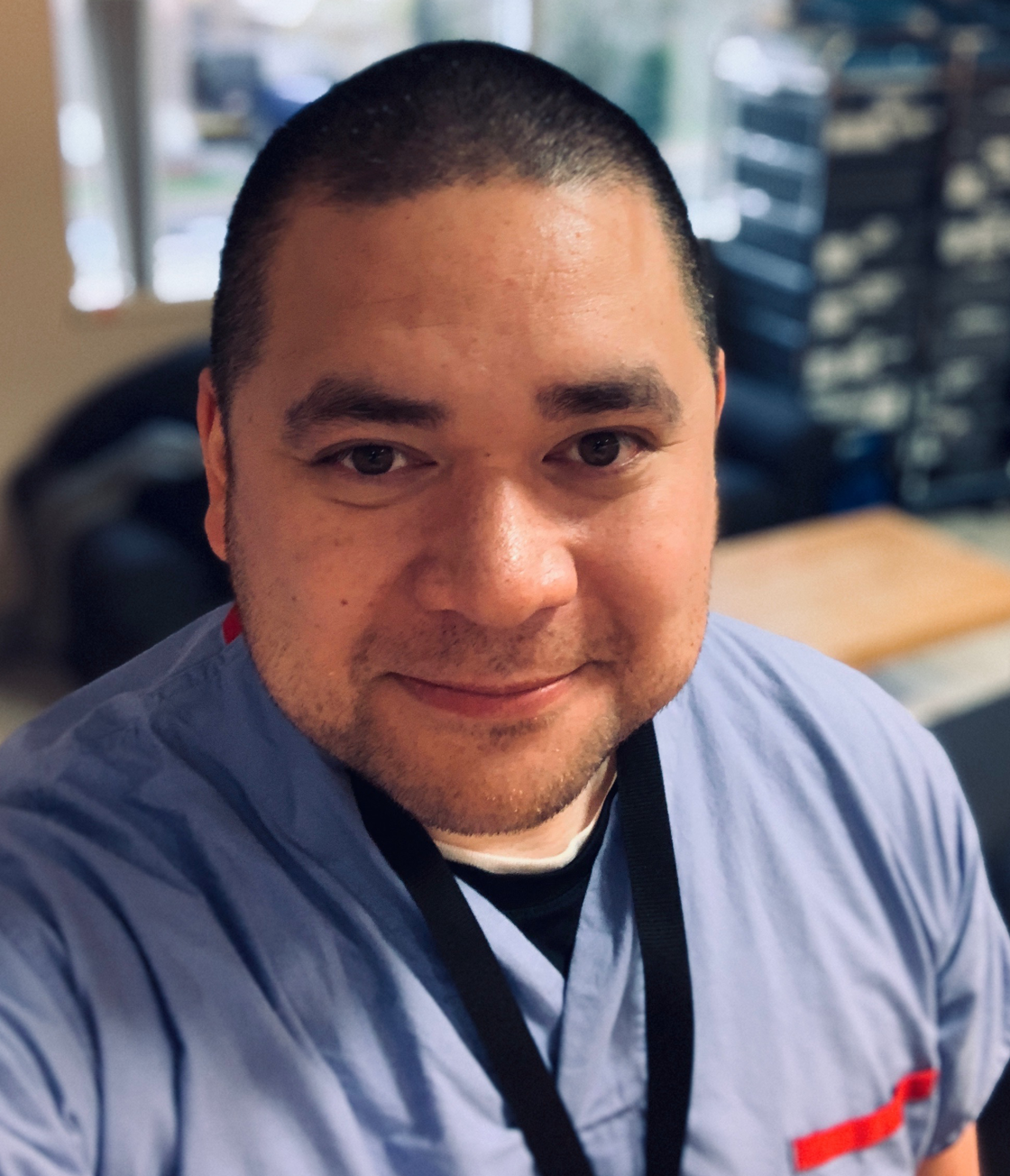
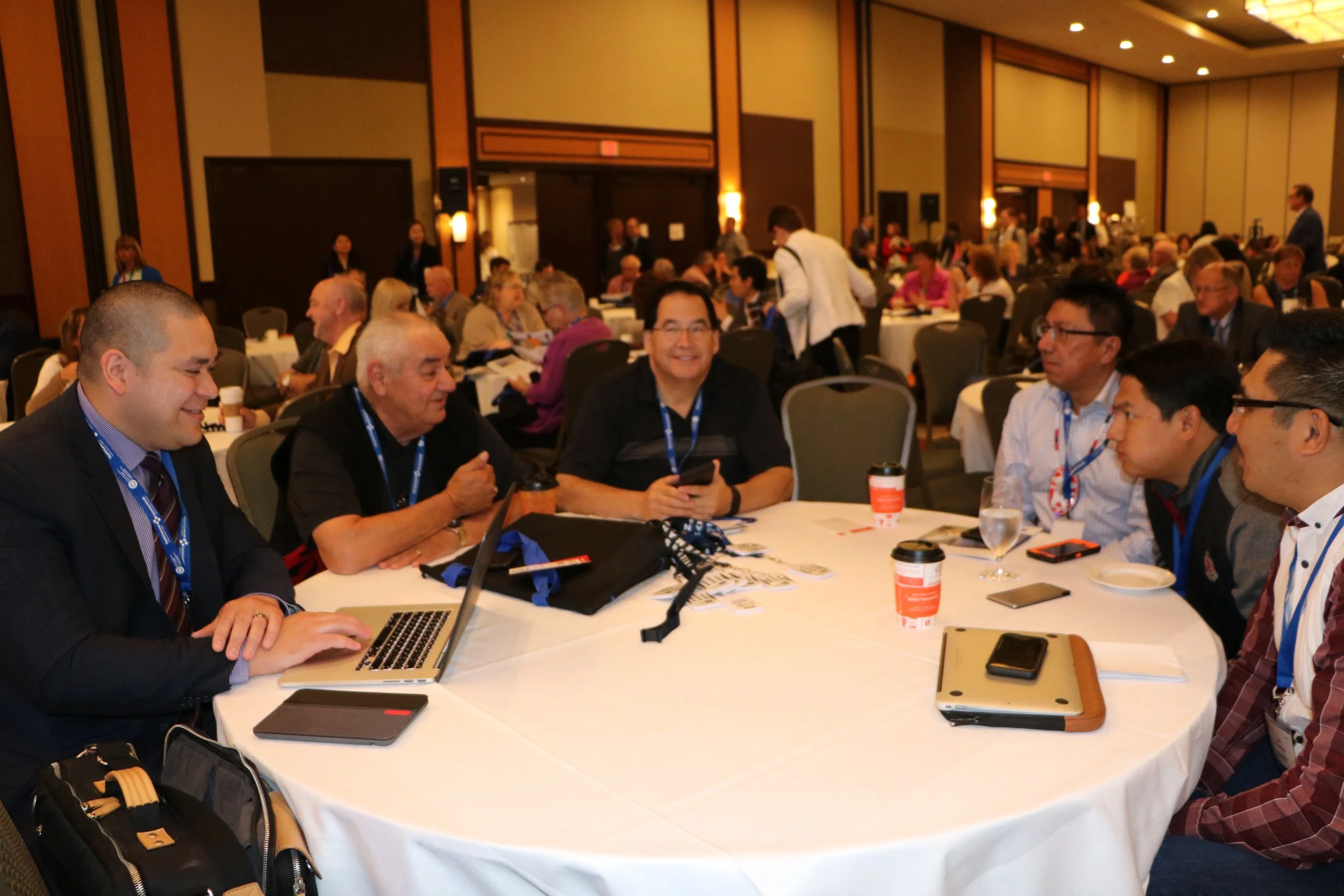
I became a doctor. But medicine wasn't the only place I found my work.
I spent many years trying to understand why the healthcare experiences of First Nations in Saskatchewan, and later First Nations, Inuit and Métis people across Canada, could be so different from everyone else's.
I learned that people often knew exactly what was wrong. The problem was that their experiences weren't reaching the people with the power to change things in a form those systems knew how to act on.
I became a storyteller who could translate between different worldviews and lived experiences.
Mentors taught me how to listen. Those different perspectives combined into a fuller understanding of how healthcare systems, and the people inside and outside them, actually work.
Over time, I helped people make difficult problems visible, helping institutions see what they were missing, finding ways for both sides to do something about them.
I thought that if we could understand a problem clearly enough, we could change it.
And for a time, that seemed to be true.
WHEN THE SYSTEM DIDN’T ANSWER
In 2016, I called for help. No one answered.
A racialized incident at work shattered my send of safety. A colleague and I reported it.
I knew how systems worked. I believed that if we raised the problem through the right channels, the system would respond.
It didn't.
I kept waiting for my call for help to be answered. An acknowledgement that I’d been heard. Anything to indicate help was on its way.
At the same time, I was travelling across the country asking Indigenous patients, families and communities to keep telling healthcare systems about the harms they were experiencing. I was asking them to believe that speaking up could lead to change.